
Stepping into a clinic for a hearing evaluation often feels like a significant milestone on the path toward better communication. Many individuals delay this visit because of uncertainty about the process or what they should bring along.
Preparation involves showing up at the scheduled time, a thoughtful approach to sharing personal experiences, and gathering the right documentation. This initial meeting serves as a foundation for a long-term relationship with a hearing health professional. When people arrive prepared, they feel more confident and focused on the results.
Helpful Documents and Personal Medical History
Insurance cards and a list of current medications are the first items to pack. Medical history plays a significant role in how hearing changes over time, so mentioning previous ear surgeries or frequent infections is necessary. People should also bring any results from past tests if they have seen a hearing health professional before.
This data helps the provider track changes and identify patterns that might otherwise go unnoticed. Having these papers ready allows the appointment to move smoothly. It ensures that the focus remains on the ears rather than on paperwork or missing information.
Bringing a Trusted Companion for Support
Bringing a friend or family member provides emotional support and a second set of ears during the discussion. This person often notices small details about communication struggles that the individual might overlook in daily life. A companion can take notes while the hearing health professional explains the results of the evaluation.
They offer a different perspective on how certain environments, like noisy restaurants or family gatherings, affect the ability to follow conversations. This shared experience makes the transition to better hearing much easier. It ensures that the most important information is remembered and understood.
Realistic Expectations for the Testing Process
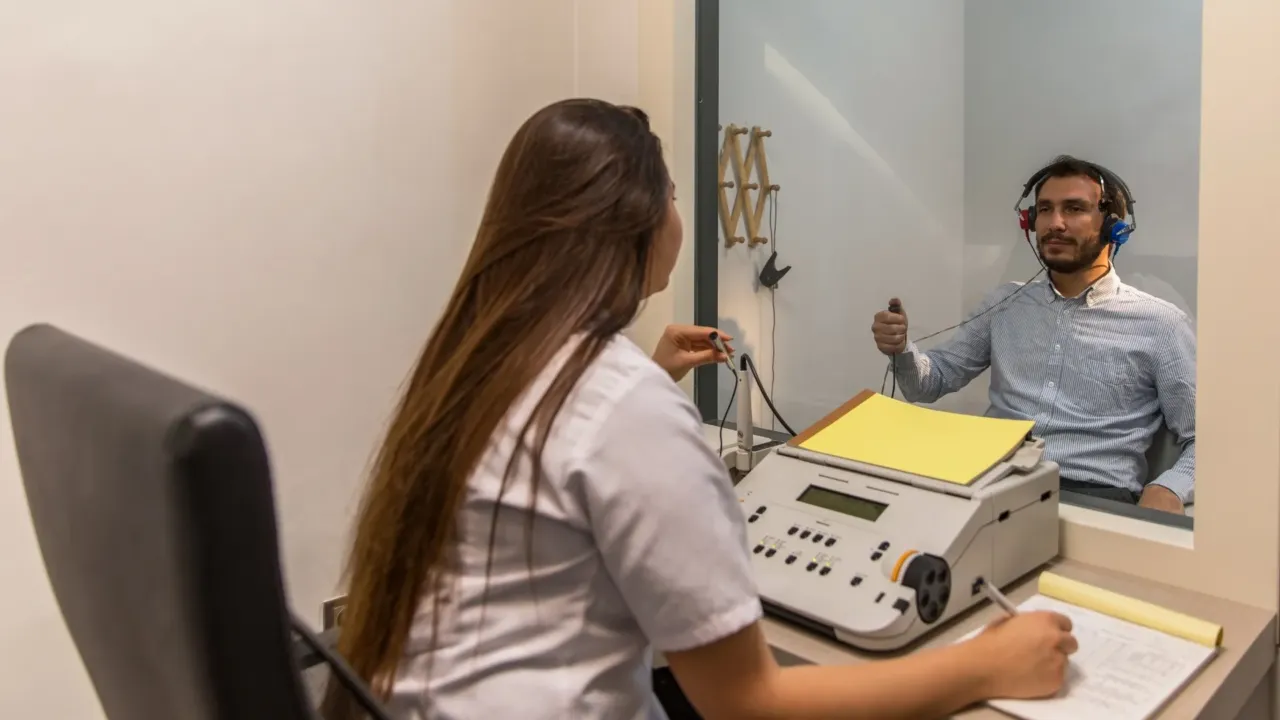
The actual evaluation consists of several different tasks designed to measure how the ears process various sounds. Patients sit in a quiet booth and listen for tones at different pitches and volumes. The hearing health professional also asks the person to repeat specific words to check for clarity and understanding.
None of these tests causes pain or discomfort, yet they provide a wealth of information about the auditory system. Understanding that this is a diagnostic tool rather than a pass or fail exam helps reduce any lingering anxiety. The goal is simply to find a baseline.
Discussing Lifestyle and Communication Needs
A successful visit depends on an open conversation about daily habits and environments. Someone who enjoys quiet reading at home has different needs than a person who frequently attends loud sporting events or business meetings. Describing these specific situations helps the hearing health professional recommend the best path forward.
People should be honest about which sounds are the most difficult to hear, such as high-pitched voices or birds chirping. This dialogue ensures the solutions fit the lifestyle of the individual. Every detail shared contributes to a more personalized and effective plan for the future.
Challenging Common Myths About Hearing Loss
Many people believe that hearing issues only affect the elderly or that a test always leads to immediate surgery. In reality, many younger adults experience changes due to noise exposure or genetics. Modern solutions are incredibly discreet and focus on enhancing natural sound rather than just making everything louder.
Waiting until a problem becomes severe often makes the adjustment period longer and more difficult. Addressing concerns early allows the brain to stay sharp and connected to the world. Proactive care is the best way to maintain a high quality of life and strong social connections.
Preparing For Your Next Hearing Test
If the sounds of life seem muffled or if following conversations feels like a chore, you should seek help. At HearBear Audiology and Speech Clinic, we can help you regain control over how you experience the world.
A hearing test is a single step that opens the door to better interactions and more meaningful moments with your loved ones. Do not wait for the problem to worsen before taking action. Move forward with confidence today by contacting us toll-free at +1-866-631-2998. You can also call or text at +1-236-427-0822.