
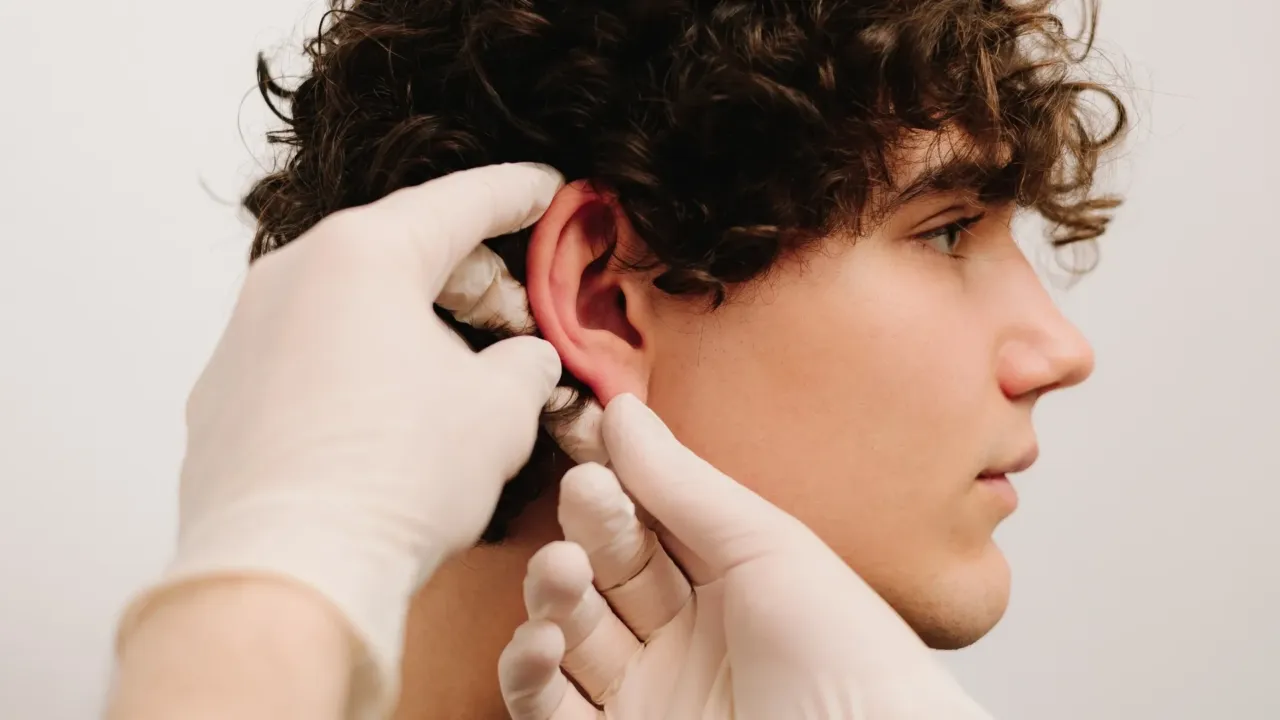
Accidents happen in a blink, but the consequences for the ears often linger for decades. It is often assumed that hearing loss only stems from aging or working in loud factories for thirty years. However, a physical blow or a sudden blast creates immediate structural changes within the ear canal and inner ear.
This damage rarely heals like a scraped knee or a bruised muscle. Instead, the delicate hair cells and tiny bones responsible for processing sound suffer permanent displacement. Understanding the link between physical trauma and long-term auditory health helps individuals take the right steps toward a full recovery.
The Hidden Impact of Physical Head Injuries
Concussions and skull fractures cause more than just headaches or blurry vision. When the head sustains a heavy impact, shockwaves travel directly into the temporal bone housing the hearing mechanism. This force can rupture the eardrum or dislocate the ossicles, the three smallest bones in the human body.
If these bones move out of alignment, the ear cannot conduct sound vibrations effectively to the brain. Sometimes damage stays hidden for weeks until swelling subsides and a person realizes certain frequencies have disappeared. Medical intervention must happen quickly to address these mechanical failures before they become permanent fixtures of life.
Why Acoustic Trauma Is a Physical Injury
People often categorize loud noises as mere annoyances, but a sudden high-pressure sound wave acts as a physical projectile against the inner ear. An explosion or localized gunshot generates enough force to shear the microscopic hair cells in the cochlea. These cells do not grow back once they die, meaning the loss remains forever.
This immediate “acoustic trauma” differs from the slow wear of a noisy office because it happens instantly. The brain may try to compensate for missing signals, but the physical reality of the broken connection remains. Consistent ringing often follows these traumatic events.
The Connection Between Ear Trauma and Tinnitus
Long-term ringing in the ears often traces back to a specific moment of physical or noise-induced injury. This persistent sound acts as a ghost signal from the brain trying to find input it used to receive from the damaged ear. While many hope the ringing fades, it frequently becomes a permanent companion if the underlying trauma was severe.
Trauma-induced tinnitus can interfere with sleep, concentration, and emotional well-being, making it more than a minor technical glitch. Modern management focuses on retraining how the brain perceives sound, but preventing initial trauma remains the most effective strategy.
When Pressure Changes Damage the Middle Ear
Rapid shifts in air or water pressure cause barotrauma, which physically stresses ear components. Divers and frequent flyers sometimes experience a painful “pop” leading to fluid buildup or a perforated eardrum. If pressure is intense, it creates a leak in the membranes separating the middle and inner ear.
This specific trauma causes dizziness and a fluctuating ability to hear clearly. While the body can repair small tears, repeated pressure injuries lead to scarring. Scars on the eardrum make it less flexible, which reduces the clarity of incoming speech and music over the course of many years.
How Internal Scarring Affects Future Sound Clarity
The healing process itself sometimes contributes to long-term issues after an injury. When the ear repairs a rupture or fracture, it often develops fibrous tissue or extra bone growth as a natural defense. This internal scarring can stiffen the mechanical parts of the ear, preventing them from moving freely when sound waves hit.
Consequently, a person might find they can hear someone talking, but the words sound muffled or distorted. This lack of clarity is a hallmark of post-traumatic hearing issues. Monitoring these changes ensures that people find ways to maintain social connections despite physical changes.
Achieve Better Hearing After Trauma
Your hearing is too important to leave to chance. If a recent bump or sudden noise has left the world sounding muffled or off, waiting for it to clear up on its own is a gamble you don’t have to take.
Our team is here to provide the specialized support your ears need to recover and thrive. Let’s get you back to clarity with a thorough evaluation that prioritizes your peace of mind. Schedule your appointment today; we’d love to help you hear life at its best again.