
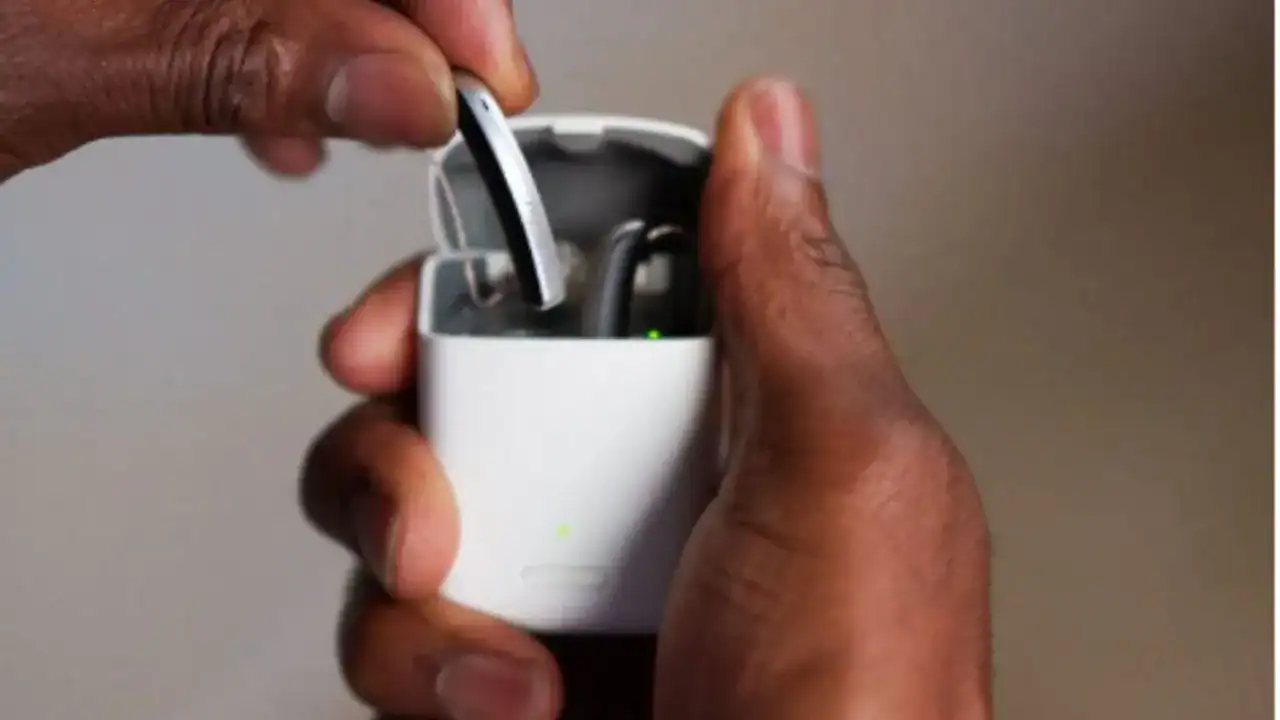
Storing hearing aids properly overnight preserves delicate electronics, prevents moisture damage, and extends overall equipment life. Hearing aids work continuously in warm, humid ear canals throughout the day, accumulating sweat, earwax, and natural body moisture. Leaving devices on nightstands without proper care allows trapped humidity to corrode microchips and block internal microphone ports.
Creating a nightly routine keeps hearing aids clean, maintains clear sound processing, and ensures reliable operation every single morning. Simple storage steps protect valuable technology from accidental falls, curious household pets, and environmental damage to ensure long-term performance and comfortable daily listening.
Open Battery Doors To Preserve Power
Opening battery compartments fully each night stops power drain and allows internal moisture to evaporate effectively. Leaving battery doors closed creates trapped humidity inside small electronic chambers, leading to contact corrosion and unexpected battery failure. Unlatching battery doors completely disconnects internal circuits, preserving remaining battery power for future daily use.
For traditional disposable battery models, taking this step keeps air circulating through inner compartments overnight. For rechargeable models, placing devices securely into designated charging bases powers down units automatically while replenishing internal lithium-ion cells. Consistent battery care prevents sudden power losses during busy daytime activities.
Remove Excess Moisture Using Drying Boxes
Utilizing dedicated drying cups or electronic dehumidifiers overnight draws out damaging moisture absorbed during daytime wear. Specialized storage cases use desiccant capsules or gentle warmth to dry internal components without harming delicate plastic housings. Sweat and atmospheric humidity penetrate internal microphone ports and receiver tubes, causing muffled sound output or complete electronic shutoffs over time.
Placing devices into dehumidifying boxes nightly protects tiny circuitry from liquid corrosion, maintaining original acoustic clarity. Electronic drying cases also utilize ultraviolet light to sanitize ear tips, reducing bacteria buildup that causes ear canal irritation and keeping sound quality crisp.
Keep Storage Units Away From Moisture
Selecting a safe, dry room location for nightly storage protects electronic components from environmental liquid hazards. Bathrooms seem like convenient places for nightly routines, but high humidity from showers creates airborne moisture that damages internal circuits easily.
Kitchen counters also pose accidental spill risks from liquid containers and sink areas. Ideal storage locations include bedroom nightstands or dresser tops situated far away from open windows and heating vents. Choosing a stable, flat surface prevents devices from rolling off edges onto hard flooring. Keeping storage boxes in cool bedrooms creates safe environments that shield sensitive hearing equipment.
Secure Devices Away From Household Pets
Keeping storage cases tightly closed and elevated prevents curious domestic animals from accessing delicate hearing tools overnight. Dogs and cats react strongly to lingering earwax odors and high-pitched electronic sounds emitted by active hearing aids. Pets frequently chew, swallow, or destroy exposed earpieces left on low furniture or open bedside tables.
Swallowing small button batteries poses severe toxic health risks to animals, requiring immediate emergency medical intervention. Storing hearing tools inside sturdy, latching cases placed high on secure shelves keeps equipment completely out of reach while keeping beloved pets safe from hazardous ingestion accidents every night.
Wipe Exterior Surfaces Before Nightly Storage
Cleaning external surfaces with soft, dry cloths before placing devices inside storage boxes prevents wax accumulation from hardening overnight. Earwax and skin oils collect along soft ear tips, microphone openings, and plastic shell bodies throughout normal daytime wear. Allowing wax deposits to settle overnight creates stubborn blockages that obstruct acoustic channels and reduce sound output volume.
Wiping surfaces gently removes fresh residue, keeping small vent holes open and functional. Avoiding liquid cleaners, alcohol wipes, or household soaps protects delicate outer coatings from chemical degradation while ensuring smooth insertion into ear canals every single morning.
Book a Professional Maintenance Visit
Establishing effective overnight storage habits protects hearing technology and ensures clear, reliable sound performance every single day. If devices experience muffled sound output, battery issues, or moisture damage, seeking expert care ensures proper restoration.
Contact us today to schedule a maintenance checkup and explore advanced dehumidifying accessories. We can help optimize device performance and maintain clear listening quality for all daily activities over the coming year.
