
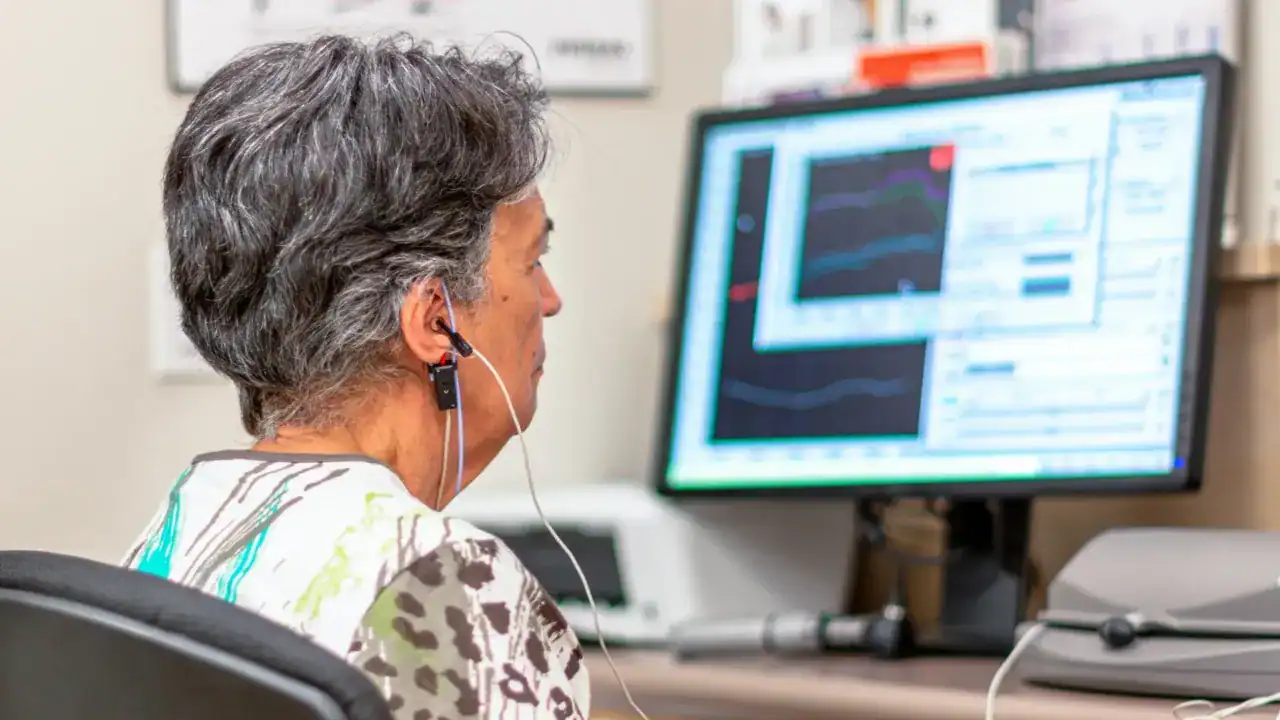
Getting a hearing test in British Columbia, Canada, does not require a doctor’s referral for most adults. Anyone who notices changes in hearing or experiences persistent ringing in the ears can directly schedule an appointment with our hearing practice.
Hospital-based audiology referral and coverage requirements vary by clinic. Fraser Health’s hospital audiology services accept outpatient referrals from medical specialists, such as an ENT, neurologist, or pediatrician. A family physician may first refer a patient to an appropriate specialist, who can then refer to hospital audiology. Alternatively, independent community clinics accept self-referred patients, allowing you to schedule an evaluation without a specialist referral. Booking directly saves time and allows patients to address hearing concerns immediately without waiting weeks or months to see a primary care physician first.
Self-Booking Options for Adults in BC
Adults in British Columbia can contact a community hearing center directly to book a comprehensive assessment without visiting a family physician first. Independent clinics manage their own appointment schedules, allowing people to take immediate action when sound clarity changes.
Booking directly may reduce extra referral appointments and help individuals receive answers about their hearing status much faster. Most private facilities offer complete diagnostic evaluations on site, using specialized equipment to measure sound detection across different frequencies. Choosing this direct path helps patients address potential hearing changes early before communication struggles impact daily relationships or workplace productivity.
When a Doctor Referral Becomes Helpful
Certain situations still make a referral beneficial for specific patient groups across the province. Where a hospital clinic requires a specialist referral, the extra appointments and wait times can lead some patients to choose private audiology instead. Patients should confirm any assessment fees or coverage before booking. Always confirm specific referral requirements with the hospital clinic prior to booking.
Patients experiencing sudden hearing loss, severe dizziness, ear pain, or fluid drainage should see a physician immediately to rule out underlying medical conditions or infections. Specialist-referred hospital care may be needed for surgical assessment or asymmetrical hearing loss; eligibility and referral requirements vary by program. Separately, third-party funding programs may require supporting medical documentation, so patients should check the requirements of the specific program.
What to Expect During a First Evaluation
A standard hearing evaluation involves several straightforward steps designed to measure how well different parts of the ear function. Patients sit in a quiet, soundproof room wearing comfortable headphones while a specialist plays a series of soft tones at varying pitches.
Individuals simply press a button or raise a hand whenever a sound becomes audible, helping establish the quietest levels heard. The practitioner also conducts speech understanding assessments to see how clearly words are recognized at normal conversation volumes. A physical check of the ear canal using a small light completes the appointment, ensuring the eardrum remains healthy, clear, and visible throughout testing.
Third-Party Coverage and Benefit Options
Private health insurance plans often cover the costs of diagnostic hearing testing and supportive listening devices for eligible residents. Many workplace extended benefits, personal health policies, and provincial assistance programs help offset expenses associated with ongoing hearing care and equipment. Checking policy details prior to an appointment helps patients understand specific coverage limits, co-pays, or required paperwork for reimbursement.
Certain programs, including those for veterans, injured workers, or Indigenous community members, feature specific claim procedures that administrative staff at clinics routinely assist with. Reviewing insurance options early prevents unexpected out-of-pocket costs and ensures full utilization of available financial health benefits.
Pediatric Hearing Tests
Children and infants in British Columbia can receive hearing assessments through public health audiology clinics. In Fraser Health, parents can self-refer or seek a referral from a health or education professional. When wait times are a concern, some families choose private clinics for baseline hearing assessments to rule out hearing loss, including during ADHD or autism evaluations or when middle-ear fluid (effusion) is suspected. Public health audiology services also assess children’s hearing and provide hearing-aid fitting and ongoing support for children with established hearing loss. Available services and appointment timing vary by clinic.
Early identification of hearing changes in young children remains critical for speech development, learning milestones, and social growth. Parents noticing speech delays or lack of response to everyday sounds can contact their local public health audiology clinic directly or speak with a family physician or community health nurse for guidance.
Schedule an Evaluation for Better Hearing
Taking charge of personal hearing health starts with booking an appointment at a convenient community clinic today. Delaying a routine assessment often leads to increased communication strain, social fatigue, and frustration during everyday conversations with loved ones.
Hearing health professionals provide compassionate guidance, thorough testing, and clear explanations of all results in a comfortable environment. If you’re noticing changes in sound clarity, please contact us to schedule a convenient appointment and support your long-term communication health.
