
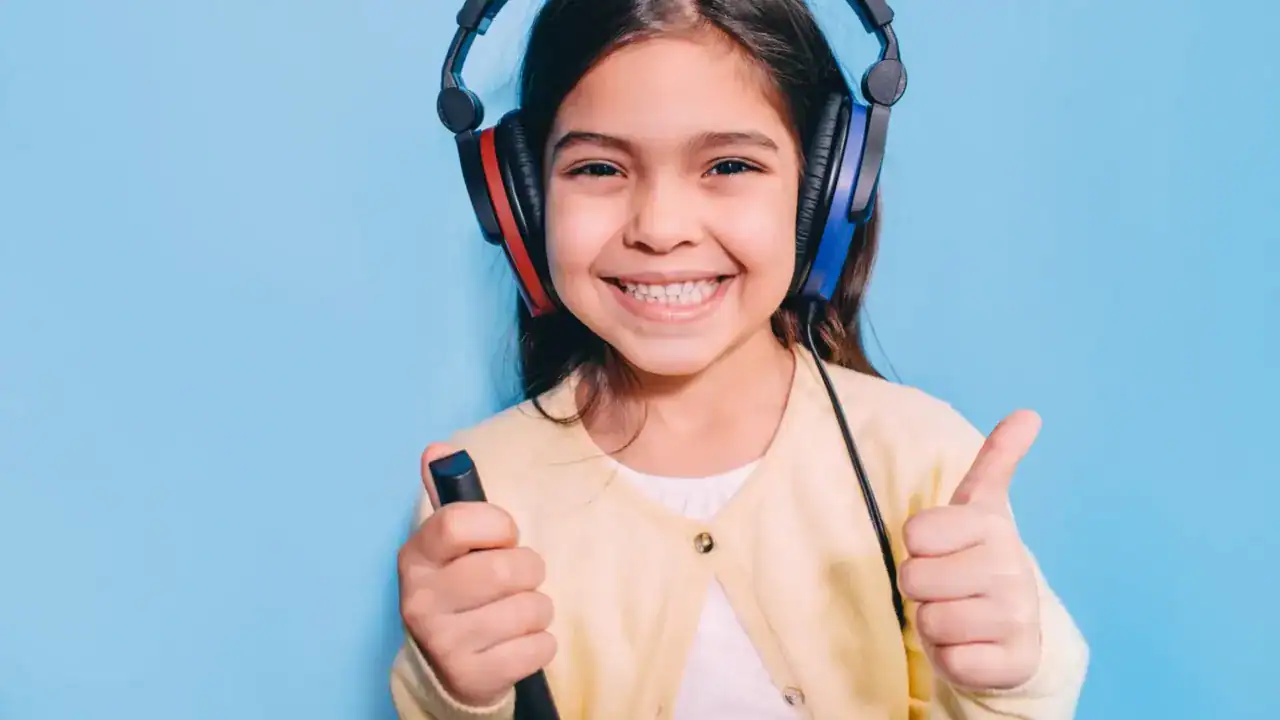
Childhood hearing evaluations form a foundation for speech development, academic achievement, and social bonding. Children absorb language continuously from surrounding environments, so even mild, undetected hearing shifts can derail natural communication milestones. Early testing identifies silent fluid buildup or nerve changes before learning delays occur inside classroom settings.
Diagnostic tools allow pediatric hearing health professionals to evaluate infant and toddler ears accurately without requiring verbal answers. Detecting auditory needs early empowers families to secure timely support, speech therapy, or adaptive devices. Regular checkups protect developing brains and ensure children stay connected.
Early Tests Protect Language Development
Speech development depends directly on clear auditory input during early childhood growth periods. Infants learn to imitate sounds, form words, and grasp grammar rules by listening to surrounding family conversations daily. When undetected hearing challenges block subtle speech frequencies, children struggle to build vocabulary and pronounce words correctly.
Missing critical developmental windows creates speech delays that require years of therapy to correct later in life. Performing early screenings ensures that toddlers receive clear audio signals when brain pathways adapt most rapidly. Timely intervention allows children to acquire language naturally and build literacy skills.
Diagnostic Tools Test Nonverbal Infants
Pediatric tests allow hearing health professionals to measure ear function accurately without relying on child responses. Newborn screenings utilize gentle acoustic emissions to test inner ear hair cell reactions while infants sleep comfortably. Otoacoustic emission tests play tiny, soft sounds into ear canals, measuring echo responses returned by healthy ear structures automatically.
Another objective test, auditory brainstem response, measures how sound nerves transmit signals directly to brain centers using comfortable skin sensors. These nonverbal diagnostic methods provide precise measurements during early infancy, allowing parents to begin supportive measures long before children learn to speak.
Unchecked Hearing Needs Impact Schooling
Undetected hearing issues frequently create academic struggles and behavioral challenges inside active classrooms. Children with unaddressed auditory needs miss teacher instructions, misinterpret class assignments, and struggle during group reading activities. Furthermore, working twice as hard to process muffled speech creates severe mental fatigue, leading to frustration, daydreaming, or restless behavior.
School staff often mistake these auditory struggles for attention deficits or learning disabilities, delaying appropriate care. Conducting routine hearing tests before academic years begin prevents misunderstandings, ensuring children receive proper seating or acoustic support. Clear hearing allows students to focus on lessons
Ear Tests Differentiate Behavior Signals
Distinguishing hearing difficulty from behavioral or attention challenges requires comprehensive professional ear evaluations. Children who cannot hear clearly often ignore spoken commands, turn up screen volumes, or withdraw from noisy playgroups completely. These actions mirror symptoms of inattention or defiant behavior, causing parents to seek behavioral solutions instead of auditory care.
Diagnostic hearing tests isolate ear processing from behavioral issues, providing clear facts about what a child actually hears. Identifying hidden fluid buildup or high-frequency loss explains behavioral patterns immediately. Re-establishing clear sound transmission resolves frustration, helping children follow instructions smoothly.
Social Bonds Depend On Clear Hearing
Healthy emotional growth relies heavily on effortless communication with family members and childhood playmates. Children with unaddressed hearing struggles feel isolated during playground games, birthday parties, and group activities because they miss out on fast-paced conversations.
Missing subtle voice tones or jokes makes social interactions confusing and stressful, leading to childhood anxiety or low self-esteem over time. Routine hearing evaluations ensure that young children process speech clearly in noisy social environments. Supporting clear auditory input helps kids make friends easily, share laughter, and build confidence during group activities. Protecting childhood hearing nurtures connections.
Guidance on Next Steps
Protecting a child’s hearing supports language development, academic success, and lifelong social happiness. Routine pediatric evaluations provide clear answers and ensure that young ears receive appropriate support during growth years. If a child turns up media volumes, struggles in school, or misses soft sounds, seeking professional care can help you feel more secure.
Contact us today to schedule a gentle, comprehensive childhood hearing screening with dedicated hearing health professionals. Hearing tests secure optimal learning foundations, clear speech development, and confident communication for your child’s bright future. Book an evaluation.
