
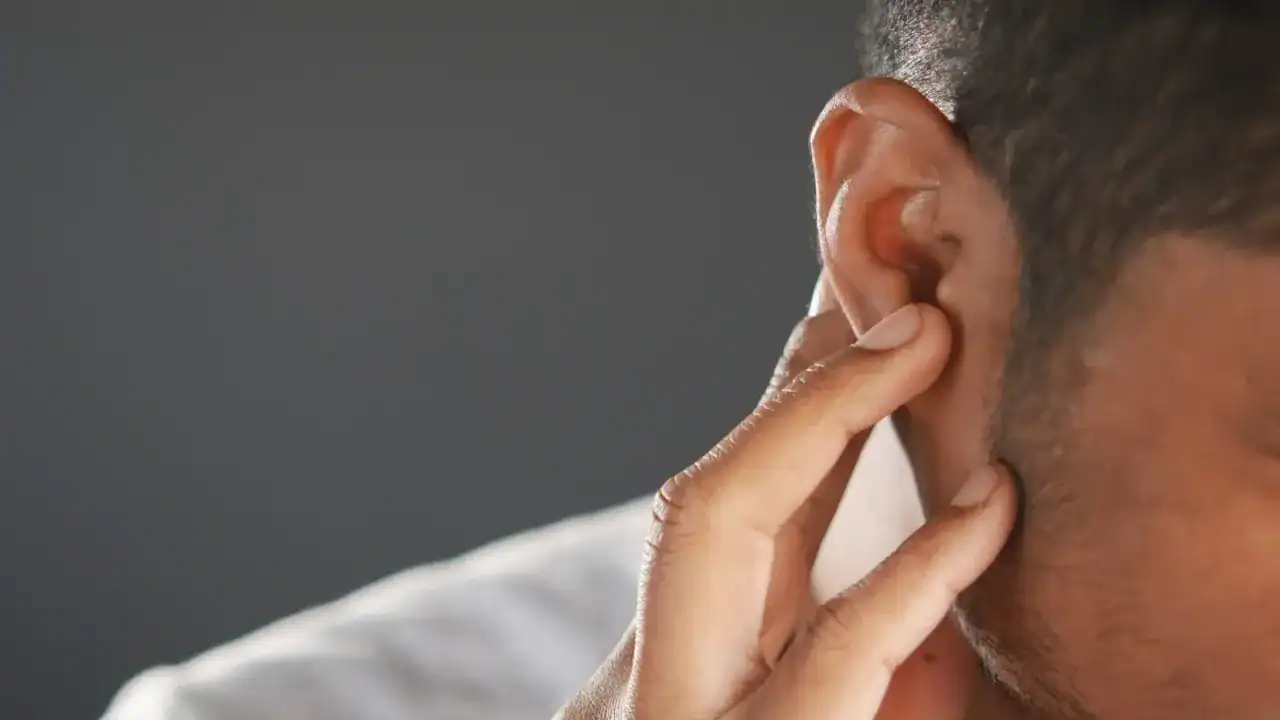
The human body produces a natural substance that many people misunderstand completely. Earwax serves as a protective barrier rather than a sign of poor hygiene, yet millions of individuals attempt to scrub it away daily.
This golden or brown material shields the sensitive skin inside the ear canal from dust, water, and infection. When people leave it alone, the body naturally pushes the old wax out through normal jaw movements like chewing and talking. Problems only start when this self-cleaning system has a problem or when outside objects disrupt the natural process.
The Purpose of Your Golden Ear Shield
Earwax is a natural substance produced by glands in the outer part of the ear canal. It combines secretions from these glands with shed skin cells and other materials to form a coating that helps protect and lubricate the ear canal.
Earwax functions as a built-in security system for the delicate structures inside the head. This substance traps dirt, microscopic bugs, and dead skin cells before they can travel deeper toward the eardrum. It also contains special fatty acids that prevent dangerous bacteria and fungi from growing in the dark, warm environment of the ear canal.
Without this natural coating, the skin becomes dry, itchy, and highly vulnerable to painful infections. The body continuously manufactures fresh wax to maintain this protective layer, ensuring that the ears remain clean and healthy without any external assistance from home cleaning tools.
That is why completely removing earwax regularly is generally unnecessary. Healthy ears usually clean themselves without the need for objects or tools inserted into the canal.
Why Cotton Swabs Create Deep Trouble
Many people reach for cotton swabs because the soft tips seem perfect for cleaning tight spaces. However, these tools actually act like a ramrod in an old-fashioned cannon by pushing the wax deep into the narrow canal. This pushing action packs the soft material into a hard, solid wall right against the eardrum.
Over time, the packed wax becomes trapped because the natural self-cleaning motion cannot reach that far down. This artificial blockage causes temporary hearing loss, ringing noises, and a frustrating feeling of fullness that never seems to go away until a professional clears the path.
Surprising Signs of Hidden Blockages
People often associate wax buildup with a simple decline in hearing volume, but the symptoms can show up in unexpected ways. A large plug of earwax can cause a person to experience dizziness or balance issues because the ears help control how the body senses movement.
Some individuals notice a persistent dry cough because the packed wax presses against a nerve that connects the ear canal directly to the throat. Others might experience a strange echoing sound when they speak, or they might notice that their own voice sounds unusually loud inside their head while external sounds seem muffled.
The key point is that symptoms can vary, and an ear examination is the best way to determine whether a blockage is actually present.
How Modern Technology Changes the Wax
The widespread use of small electronic devices has changed how earwax behaves inside the ear canal. Wearing earbuds, headphones, or earplugs for several hours a day blocks the natural exit route that the wax needs to escape. These tight-fitting plastic tips trap moisture inside the canal, which softens the wax and causes it to expand rapidly.
Additionally, the constant physical pressure from inserting these devices stimulates the wax glands to produce even more material than usual. This combination creates a perfect storm for quick blockages, especially for people who work or study with music playing constantly.
If you frequently experience fullness, muffled hearing, itching, or recurring blockages, discuss the problem with a hearing professional. This is particularly useful for people who wear hearing aids, custom earmolds, or other devices that sit inside or around the ear.
Safe Methods for Daily Ear Hygiene
The safest way to care for ears at home involves a strategy that focuses purely on the outer area. Washing the external ear with a soft washcloth during a regular shower removes the wax that has already completed its journey outside.
People should avoid pouring random drugstore liquids, oils, or hydrogen peroxide into their ears without explicit guidance, as these substances can irritate the skin. If the ears feel dry or itchy, a tiny drop of plain mineral oil applied to the outermost opening can provide relief.
Avoid inserting cotton swabs, hairpins, keys, fingers, or other objects into the ear canal. These methods can push wax deeper and may injure the ear canal or eardrum. True cleanliness means letting the deep canal take care of itself naturally.
Safe Removal Requires a Professional
Trying to clear a stubborn blockage at home often causes painful injuries or infection. The skin inside the ear canal is incredibly thin and can be easily damaged. Moreover, DIY attempts risk harming the delicate eardrum. Professional clearing methods remove the wax safely and smoothly.
If ears feel muffled or blocked, reaching out for professional care is the safest choice. Our team can help clear the blockage gently and effectively. Please contact us for wax removal. Your ears are in safe hands with us.
